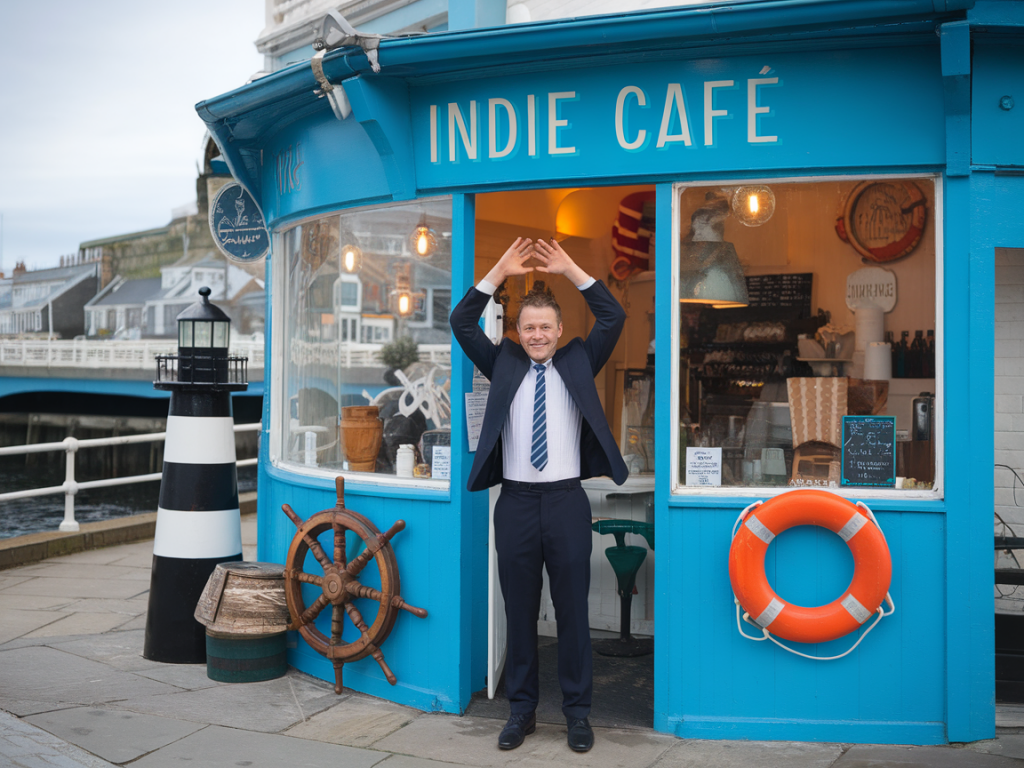
I’ve been watching what’s happening to small hospitality businesses in Britain’s seaside towns for years: the ebb and flow of tourism, sudden weather‑driven weekends of trade, and the crushing certainty of fixed costs like rent, utilities — and business rates. So when the Government quietly expanded relief for smaller retail and hospitality premises this spring, I recorded the immediate relief in the voices of independent cafe owners I speak to. But relief isn’t the same as rescue. If you run an indie café on the seafront, this shift could be a lifeline — if you act fast and precisely.
What changed — and why it matters
The recent policy change broadens eligibility for business rates relief for smaller properties used for retail, hospitality and leisure. In practice, that means more cafés with modest RVs (rateable values) can now claim larger discounts — sometimes 50% or more off their rates bill for a set period. The rationale is simple: local high streets and seaside economies were hammered during the pandemic and face new pressures from energy costs and tighter household spending. Supporting small venues preserves jobs, footfall and the kind of local character that tourists and residents value.
I won’t drown you in technicalities, but two points matter for owners: whether your property qualifies and how to secure the relief. Both are administrative but consequential.
Quick checklist: do this immediately
If you run a café, print or screenshot these and start now:
How much could you save? A simple example
Numbers make this concrete. Below is a rough table showing potential annual savings under a 50% relief applied to the business rates bill (figures illustrative — actual bills vary by RV and multiplier):
| Rateable Value (RV) | Estimated Annual Rates (before relief) | With 50% Relief — Annual Saving |
|---|---|---|
| £12,000 | £6,000 | £3,000 |
| £20,000 | £10,000 | £5,000 |
| £35,000 | £17,500 | £8,750 |
That kind of saving can cover a season’s worth of staff wages, a new espresso machine, or several months of energy bills. For many seaside cafés, it’s the difference between breaking even and staying open through the quiet months.
Common stumbling blocks — and how I’ve seen owners overcome them
From conversations with owners in Margate, Whitby and Penzance, three practical pitfalls recur:
Owners have tackled these issues in practical ways: hiring a specialist rates adviser for a one‑off review (often cost‑effective if the potential saving is large), pooling resources with neighbouring businesses to share advice, or simply dedicating a day to paperwork and phone calls to the council. The latter often gets results more quickly than you’d expect.
Real actions to prioritise this month
Here’s a tactical sequence I recommend, based on what worked for cafés I’ve met:
Beyond rates: complementary actions to strengthen your café
Relief helps with cash flow, but it’s not a silver bullet. Use any freed‑up funds strategically:
What to watch for politically and administratively
These relief schemes can be time‑limited or subject to change with the fiscal calendar. Keep an eye on national announcements and your council’s budget statements. I also recommend building a simple forecast: what happens to your cashflow when relief ends? That forward view helps you plan for staffing, maintenance and investment in a realistic way.
Finally, don’t underestimate the value of telling your story. Tourists and residents love independent cafés because of their character. Share the impact of this relief — not as a plea, but as part of a narrative about preserving local jobs and the community. Councils are more likely to prioritise support where they see clear public benefit.