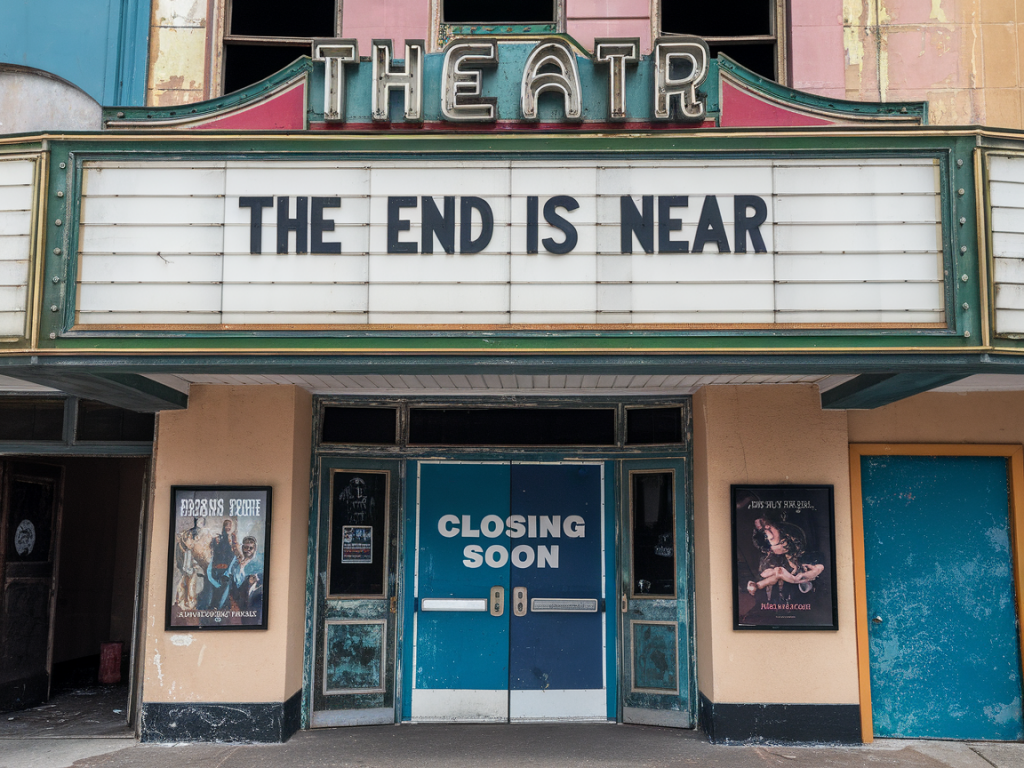
I remember the first time I walked into a small regional theatre that was on the brink: cracked seats, a faded poster for a production that never opened, and a staffroom filled with resignation. The building still breathed community and creativity, but it was clear that without rapid, strategic intervention the curtain would fall for good. Across the UK, councils face those same scenes in dozens of towns and cities. Levelling up audits — when used well — can be the tool that turns a closing theatre into a revived cultural hub.
Why levelling up audits matter for theatres
Levelling up audits are meant to diagnose local assets, weaknesses and opportunities in a way that aligns investment with strategic priorities. For theatres, which sit at the intersection of culture, education, local economic activity and civic life, audits can provide the evidence base needed to unlock funding, partnerships and policy support.
I’ve seen audits produce useful outcomes when they move beyond box-ticking and genuinely map:
- the theatre’s contribution to local jobs and supply chains;
- educational links with schools and colleges;
- audience demographics and barriers to attendance;
- the building’s condition and required capital works;
- potential for broader community use (e.g. co-working, markets, rehearsal space).
What councils should ask in an audit
When I’ve advised local authorities, I urge them to frame levelling up audits around questions that reveal practical levers for rescue and renewal:
- Who benefits? Identify not just ticket-buyers but local suppliers, freelancers and volunteer networks dependent on the venue.
- Who is excluded? Map physical, financial and cultural barriers that prevent certain neighbourhoods or groups from engaging.
- What’s the building’s true cost? Distinguish between immediate emergency repairs and long-term capital investment required for sustainability.
- What alternative uses or revenue streams exist? Could shared studios, daytime programming, or hybrid digital events boost income?
- What partnerships can be forged? Schools, health trusts, local businesses and developers all have a stake in vibrant civic spaces.
Turning audit findings into action — practical steps
Audits can generate reams of data that sit unused unless councils translate them into a clear plan. Here’s a pragmatic sequence I’ve seen work:
- Immediate triage: allocate emergency maintenance funds to stop irreparable decline (roof, heating, safety).
- Revenue diversification plan: use the audit to model income scenarios — ticket sales, rentals, education contracts, hospitality, and digital streams.
- Partnership agreements: sign time-limited memoranda of understanding with schools, health providers and local businesses to guarantee year-one activity and income.
- Capital funding bid: package the audit findings into a levelling up funding bid or apply to Historic England, Arts Council England, and local development funds.
- Governance reset: offer a temporary governance arrangement such as a council-led trust or social enterprise model to stabilise operations while the long-term plan is implemented.
Examples and quick wins
Not every solution needs a large capital injection. In one northern town I visited, a theatre facing closure reopened its doors after a local authority audit revealed underused daytime space. The council brokered a partnership with a nearby college that used rehearsal rooms for performing arts classes during the week, providing predictable rental income and a pipeline of young audience members. A simple change in timetabling and a small investment in lighting made a huge difference.
Another example: by cross-referencing the theatre’s audience data with transport links identified in a levelling up audit, a council negotiated a community bus route to coincide with evening performances. The result was a measurable increase in attendance from outlying neighbourhoods and higher concession sales at the bar.
How to fund the rescue — beyond the headline grants
Levelling up funding is an obvious target, but competition is fierce. Audits help by creating credible, evidence-based bids. Councils should also consider:
- Match funding: combine small council capital with philanthropic contributions from local trusts and businesses.
- Social investment: impact bonds or community shares can attract residents who want to protect local culture.
- Earned revenue pilots: test flexible pricing, subscription models and venue hire packages with guaranteed minimum returns.
- Microgrants for cultural programmers: fund local producers for six-month programming stints to stimulate activity and demonstrate demand.
Key stakeholders to bring into the audit process
I've learned that the audit is only as good as the stakeholders it engages. Councils should include:
- theatre management and staff;
- local artists and producers;
- education partners (schools, colleges, conservatoires);
- business improvement districts and local employers;
- transport authorities;
- housing associations and health trusts where applicable;
- audiences and community groups via focus groups or pop-up consultations.
What success looks like — and how to measure it
Success must be defined in both cultural and economic terms. Useful metrics I recommend including in levelling up audits are:
| Short-term (6–12 months) | Emergency repairs completed; baseline revenue stabilised; partnership MOUs signed |
| Medium-term (1–3 years) | Audience diversification; increased local employment; audited education programmes in schools |
| Long-term (3–5 years) | Financial self-sufficiency or sustainable subsidy model; building restored; measurable social impact |
Common pitfalls to avoid
- Treating the audit as a box-ticking exercise: audits must be analytical and action-oriented, not just descriptive.
- Ignoring lived experience: failing to consult front-line staff and regular users produces plans that don’t work in practice.
- Over-reliance on a single funding source: diversify early to avoid collapse if a bid fails.
- Underestimating governance needs: a rescued theatre needs strong, realistic management structures to avoid repeating the same problems.
Levelling up audits give councils a disciplined way to diagnose problems and assemble the partnerships and finances needed to save theatres. If carried out with rigour and urgency, they can convert cultural loss into civic renewal — preserving jobs, nurturing talent and keeping the kind of shared public spaces that make towns and cities worth living in. For councils willing to move quickly and think creatively, a closing theatre can become the hub of a renewed local cultural economy.