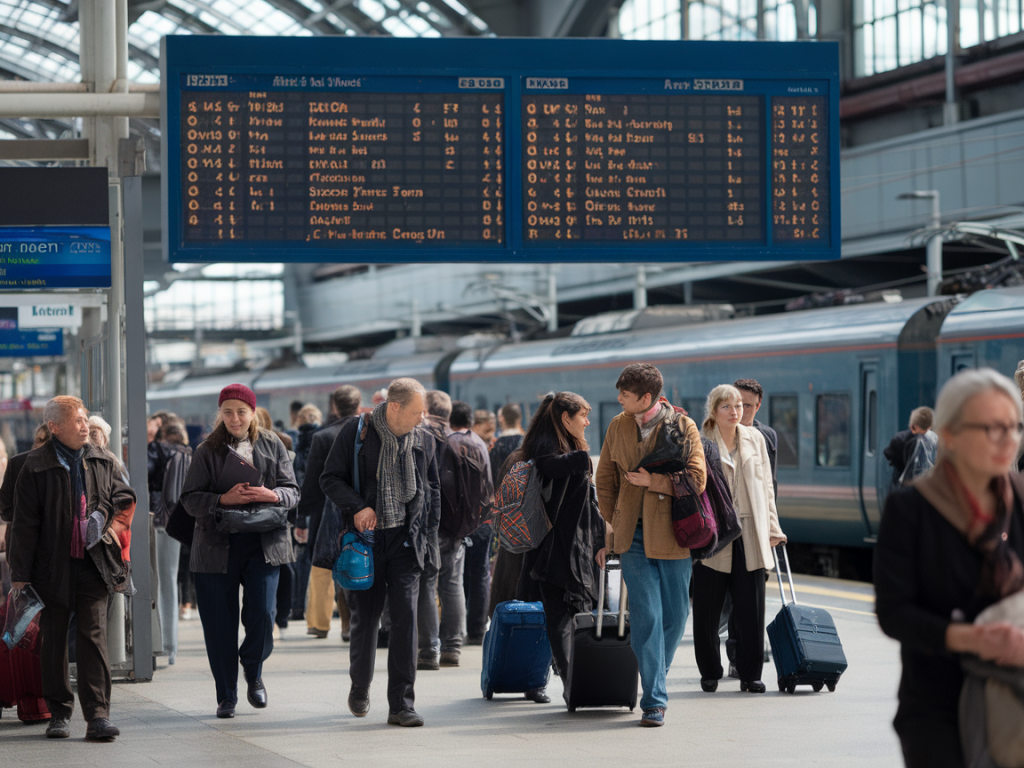
I’ve been following the Crossrail/Elizabeth line saga closely because, like many of you, I rely on reliable journeys to get around London and the regions it connects. When sections of the Elizabeth line face delays or reduced service, the ripple effects are immediate: packed platforms, longer commutes and a lot of questions about what to do next. Below I’ve gathered practical, up‑to‑date advice on what commuters need to know, which alternative routes make sense in different parts of the network, and how to minimise disruption to your working day.
What’s actually happening with Crossrail/Elizabeth line services?
The Elizabeth line operates across central London and out to the suburbs east and west. Planned maintenance, signalling issues, or phased openings of new sections can lead to reduced frequency or temporary suspensions on parts of the route. When that happens, Transport for London (TfL) usually publishes service updates, but they can change quickly — especially at peak times.
From my reading of recent service bulletins and conversations with commuters, the most common scenarios are:
These situations matter because the Elizabeth line links suburban stations to the city centre faster than many alternatives. So any reduction increases pressure on parallel lines (Central, Circle, Hammersmith & City, Jubilee, Overground and national rail services).
Quick checks to make before you travel
Before leaving home, I always do these three things:
One tip I’ve picked up: if your employer allows flexible start times, shifting your commute by 15–30 minutes can make a huge difference during disruption. Trains, buses and station bottlenecks tend to be less severe outside rush hour.
Best alternative routes by corridor
I’ll break this down roughly by direction so you can pick the most relevant one for your commute.
Westbound (towards Reading/Heathrow/Paddington)
Eastbound (towards Shenfield/Abbey Wood)
Central London trips across the core
If the core is congested, consider walking or cycling between nearby central stations. Distances between Tottenham Court Road, Bond Street, and London Paddington are walkable in many cases and can be faster during extreme crowding. Santander Cycles (the Boris bikes) or personal e‑scooters (where legal) can be helpful for the last mile.
Regional commuters (beyond Greater London)
If you travel into London from the regions, look at the following:
Comparing alternatives — a quick reference
| Option | Typical journey time (relative) | Cost | Reliability |
|---|---|---|---|
| Elizabeth line (normal) | Fastest | Standard TfL/National Rail fares | Depends on service status |
| Underground (Central/Jubilee/Piccadilly) | Moderate to fast | TfL fares (often cheaper than Heathrow Express) | High, but can be crowded |
| National Rail (GWR, Greater Anglia, c2c) | Variable — often comparable to Elizabeth line | Often higher peak fares; season ticket holders unaffected | High for intercity routes, local services vary |
| Bus/coach | Slower, depends on traffic | Low to moderate | Variable — vulnerable to road congestion |
| Walking/cycling | Short distances only | Low | Very reliable |
Tickets, refunds and Oyster/contactless rules
TfL is generally flexible when disruption is significant. Here’s what to remember:
Practical tips to make disruption less stressful
From packing an emergency commuting kit to choosing the right apps, these small measures make a big difference:
How employers can help — and what to ask for
I’ve spoken to HR teams and commuters about best practice: employers can reduce commuter stress by offering flexible hours, remote working options during major disruptions, and clear policies on travel cost reimbursement. If you rely on public transport, ask your manager about contingency arrangements and whether there’s a budget for occasional taxi fares when rail options are impossible.
When I cover these stories, the recurring theme is this: preparation reduces inconvenience. Knowing a handful of alternative routes, keeping your apps up to date and talking to your employer about flexibility will get you through most Elizabeth line disruptions with less stress. If you’re stuck at a station today, check live updates, explore a walking or tube alternative and consider shifting plans if you can — and when you can, let the operators know what happened through their service feedback channels. It’s how small changes add up to better commutes for everyone.