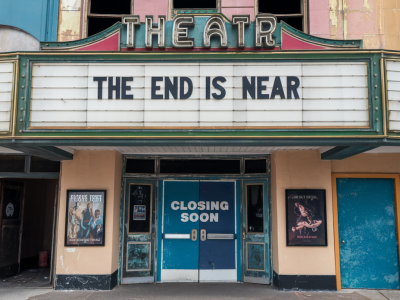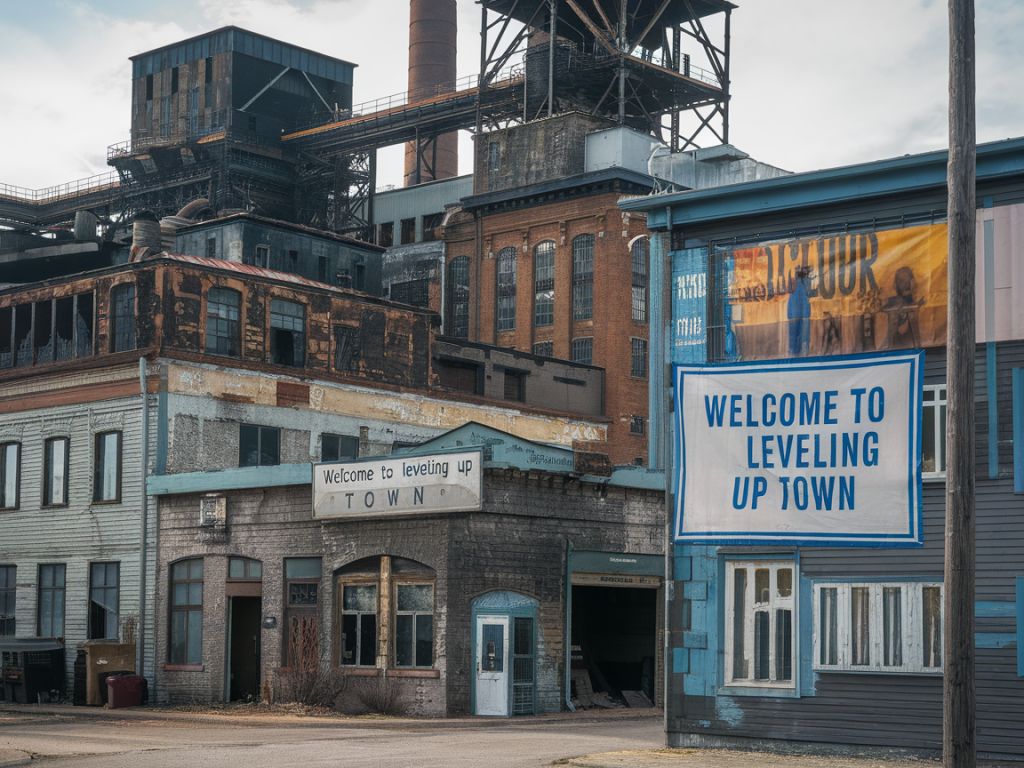
I’ve spent years visiting towns that have borne the brunt of deindustrialisation: former mills and shipyards, terraces of boarded‑up houses, civic centres that look as if they were built for a different economy. When ministers promise “levelling up” cash, the question I keep hearing from council officers, councillors and residents is blunt: what will this money actually put back on the streets? It’s a sensible question. Local authorities don’t have infinite freedom to spend new grants however they like, and services that people remember fondly — libraries, youth clubs, small parks, public loos — are the ones that were often the first to go when budgets were squeezed.
What councils must provide — and what they choose to cut
First, a reality check. Local authorities are bound by a mix of statutory duties (things they legally must provide) and discretionary services (things they decide to fund if money allows). Statutory duties include areas like social care, waste collection, planning enforcement and certain housing responsibilities. Discretionary services include many of the cultural and leisure amenities people associate with high streets and community life: libraries, museums, arts grants, some youth services, parks maintenance beyond basic safety work, and public toilets.
Because statutory duties take priority, new central funding often gets swallowed by unavoidable pressures — rising adult social care costs, increased homelessness, or the immediate need to prevent bin strikes. That has meant councils have increasingly used discretionary cuts as a balancing exercise. Levelling up cash can change that balance, but whether it does depends on how the funding is structured and how councils choose to deploy it.
Which services are most likely to be restored with levelling up money?
Based on conversations with council finance directors and service managers across northern, midlands and coastal towns, here’s where levelling up cash tends to have the most immediate impact:
- Libraries — Many towns are prioritising library reopening or extended hours. Libraries are visible signs of civic investment and can double as community hubs for advice and digital access.
- Youth services and youth centres — Grants are frequently used to reopen youth clubs, fund detached youth workers or support outreach in estates where gang tensions and isolation have risen.
- Parks and play areas — Investment in play equipment, safety surfacing and basic landscaping is relatively low-cost but high-impact, and it’s politically popular.
- High street improvements and small‑scale public realm projects — Streetscape upgrades, façade grants and improved signage are common uses because they can be matched with private investment and bring quick visibility.
- Heritage and cultural programming — Small museums, festivals and community arts projects often get restarted because they can be co-funded with arts councils or local sponsors.
- Leisure centres (targeted reopening or subsidies) — Where councils own pools and gyms, levelling up funding can be used to reduce operating deficits or refurbish ageing plant to avoid closures.
- Targeted employment and skills programmes — Funding linked to local skills provision, retraining and apprenticeship hubs is often prioritised as a way to tackle long‑term unemployment.
These are areas where cash can produce visible, quick wins — the library with lights on again, a youth club with weekend opening, new benches and bins on the high street. They address quality of life as much as economic fundamentals.
Services less likely to be restored quickly
There are limits. In my reporting I’ve seen levelling up cash struggle to turn into expanded social care packages or long‑term affordable housing development unless funding is ringfenced for those purposes. Heavy capital projects — large housing schemes, complex highways repairs, or rebuilding a major leisure complex — often require sustained multi‑year funding and planning consents that take time.
- Adult social care — Costs are structural and recurring; one‑off grants help but do not solve long‑term demand.
- Major housing regeneration — Brownfield remediation and new builds need planning and often private sector investment; levelling up can help but is rarely enough on its own.
- Large transport schemes — Rail projects or major road upgrades usually need national departmental approval and multi-source funding.
- Some statutory services under pressure — While bin collections and street cleaning can be maintained, restoring increased frequency or expanded coverage can be costly to sustain.
How councils are choosing between priorities
Local politicians juggle visible, short‑term wins against longer‑term investment. In places I’ve visited, the calculus often looks like this:
- Fund a handful of high‑visibility, low‑cost projects that energise the high street and community — new benches, planters, pop‑up markets.
- Use some cash to stabilise key discretionary services (libraries, youth work) to prevent further social harm.
- Ringfence a portion for match funding to unlock larger capital grants from national bodies or trusts.
- Set aside contingency to cover statutory demand spikes — for example, to avoid emergency cuts to bin rounds or social care packages if winter pressures hit.
That last point matters because councils I speak to rarely want to announce headline projects only to be forced into deeper cuts next year. Political credibility counts.
A practical snapshot: what this looks like on the ground
| Service | Statutory or discretionary? | Likelihood of restoration with levelling up cash | Typical timeframe |
|---|---|---|---|
| Local libraries | Discretionary | High (reopening, extended hours) | 3–12 months |
| Youth centres and outreach | Discretionary | High | 3–9 months |
| Parks and play areas | Discretionary | High | 3–12 months |
| Leisure centres | Discretionary (but often council‑owned) | Medium (refurb or subsidy) | 6–18 months |
| Adult social care | Statutory | Low (structural pressures) | Ongoing |
| Major housing regeneration | Mixed | Low–Medium (requires partnering) | 1–5 years |
What residents should ask their council
If you live in a postindustrial town and want to know whether levelling up cash will translate into services you care about, here are questions to put to your local councillors or council officers:
- Is the funding one‑off or multi‑year? One‑off grants are more likely to pay for capital works or temporary reopening than sustained staffing costs.
- Is any of the money ringfenced for specific services (libraries, youth work, town centre regeneration)?
- Will projects be co‑funded with other bodies (Arts Council, Homes England, private investors)?
- How will the council measure success — jobs created, visitor numbers, user hours at libraries, etc.?
- Is there a plan for ongoing revenue to sustain reopened services after the grant ends?
I’ve seen councils that use levelling up money to create durable change by marrying visible projects with clear long‑term plans; I’ve also seen money burn through quick wins with little legacy. The difference is often whether the funding is used to buy capacity and partnerships, not just paint. That matters if the aim is to rebuild not just buildings, but civic life.