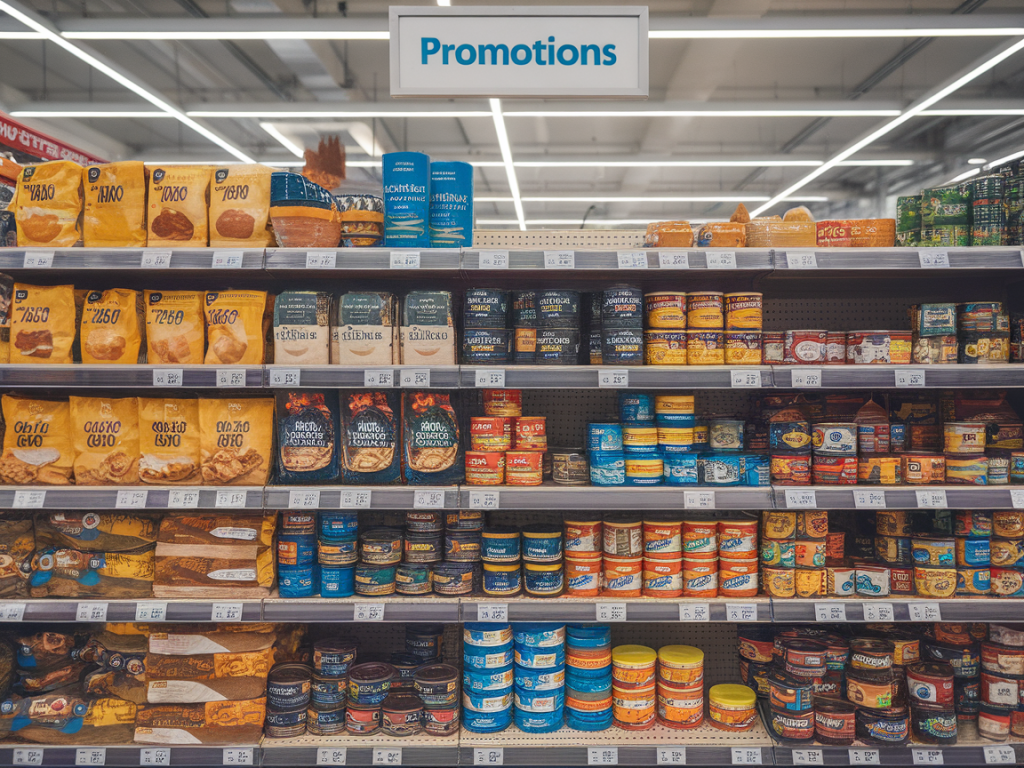
Why unit pricing on promos matters to shoppers like me
When I'm shopping on a tight budget, the little numbers beneath the big yellow price tag can make a huge difference. Unit prices — the cost per 100g, per litre or per item — tell you whether the "3 for 2" or the "50% off" really represents a bargain, or whether it's just clever marketing. Lately there’s been growing discussion in Westminster and among consumer groups about whether supermarkets should be required to show unit prices for promoted items. If that were to happen, it could change daily life for low-income households that rely on promotions to stretch their food budgets.
What the current rules do (and don’t) require
At the moment, retailers in the UK are already required to provide unit pricing information for pre-packaged foods — but the rules are weaker when it comes to promoted or multi-buy offers. In many stores you’ll still find a unit price on the shelf label or package, but it’s sometimes missing from the large promotional stickers, the online product page or the till receipt. That creates confusion: which price should you use to compare two options — the promotion price or the unit price on the full-priced pack?
Retailers and industry bodies argue that unit prices are shown sufficiently often, and that promotions are clear enough. Critics — consumer groups, some MPs and anti-poverty campaigners — say that unit prices aren’t always visible or easy to compare and that this disproportionately harms people with limited time and money.
What a requirement to show unit prices on promos would look like
If supermarkets were forced to display unit prices consistently on all promotional displays, that could mean several practical changes:
Enforcement could fall to consumer protection regulators such as the Competition and Markets Authority (CMA) or Trading Standards teams, possibly backed by clearer guidance or new legislation. Retailers would likely be given a transition period to update labels, shelf-edge systems and websites.
How this could help low-income shoppers — practical examples
When I talk to people who budget tightly, they repeatedly tell me they need quick, reliable ways to compare prices. Here are concrete ways clearer promotional unit pricing could help:
Possible drawbacks and retailer concerns
Retailers have several practical worries. Changing electronic shelf labels, printing new tags, and updating ecommerce platforms across hundreds of stores is costly. Some chains may also say that rigid unit-price requirements could reduce flexibility in how promotions are displayed and marketed.
There’s also nuance: unit prices can themselves be confusing if not standardised. For example, should a yoghurt be shown per 100g or per pot? What about multipacks where both the pack and individual items have different useful units? Without clear rules, standardising unit measurements could create as many problems as it solves.
How the change could be implemented fairly
From conversations with shoppers and industry insiders, a workable approach would combine three elements:
Examples of how unit pricing could change the look of offers
| Current promo | Current visible info | Proposed label with unit price |
|---|---|---|
| 3 for £2 — cupcakes | £2 large sticker | 3 for £2 — 67p each — 134p/100g |
| 50% off shampoo (250ml) | Half price sticker | 50% off — £2.50 — £10.00/litre |
| Buy one get one free — pasta 500g | BOGOF sticker | BOGOF — £1.20 each — 24p/100g |
Wider implications for shopping behaviour and poverty
Clearer unit-pricing could nudge behaviours in ways that matter for household budgets. If more shoppers can see which items are genuinely cheaper per unit, some might shift from heavily marketed branded promos to cheaper own-brand equivalents — boosting real purchasing power for families on low incomes.
Conversely, there’s a risk that clearer transparency could also shift demand away from certain loss-leading promotions that currently help retailers bring customers into store. That could change pricing strategies across the sector and, in turn, what offers are available to budget-conscious shoppers.
What I’d like to see from policymakers and retailers
Based on what I’ve seen reporting on price transparency, three steps would be helpful:
I’ve stood in supermarkets watching people compare packs, and the frustration is clear when labels or online pages don’t make comparisons straightforward. Changing the rules so unit prices are visible during promotions won’t solve food poverty — that requires broader policy action on wages, benefits and housing — but it could be a practical, cost-effective reform that protects low-income shoppers from misleading marketing and helps them stretch every pound further.