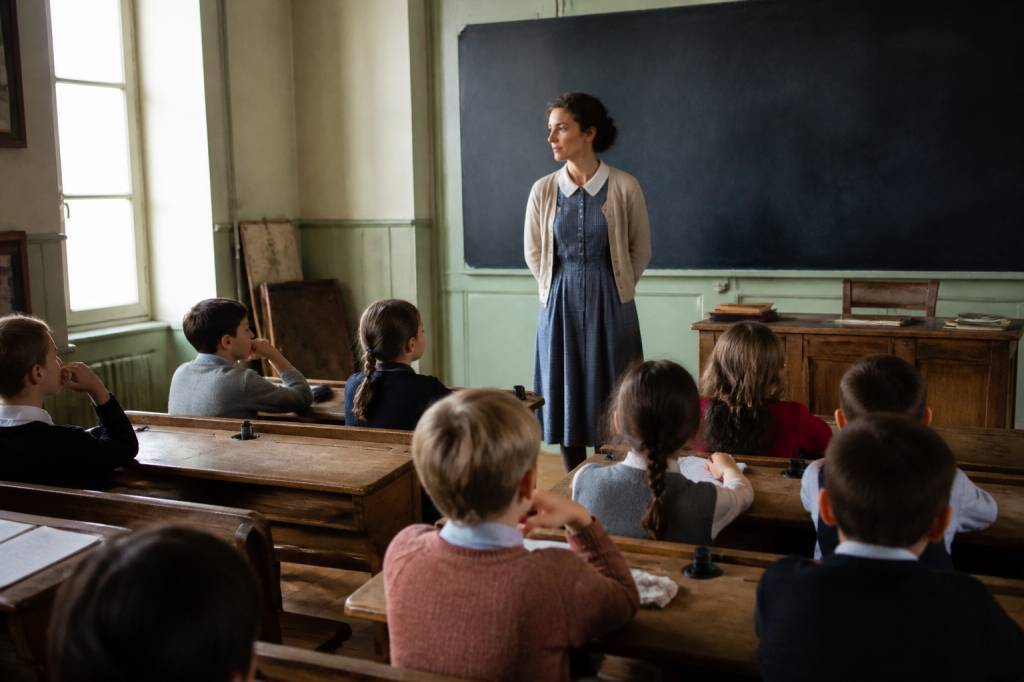
The daily rhythm of a French school
When people imagine school in France, they often think of uniforms, strict teachers, long lunches, and a strong sense of structure. While every school is different, many French schools still keep traditions that shape the daily experience of students from primary school to high school. These traditions are not only about rules; they also reflect French culture, values, and the importance placed on education. For visitors and international students, understanding these customs can make the school environment feel much less mysterious.
One of the first things you notice in a French school is the clear routine. Students usually arrive early, greet their teachers, and settle down quickly. The school day tends to begin with a calm atmosphere rather than a noisy rush. This idea of order is important in France, where education is often seen as a serious and respected path. Even in younger classes, students are encouraged to be attentive, organized, and respectful.
The day is also divided into carefully planned periods. Lessons are often structured in a way that gives space for different subjects, with clear transitions between classes. This regular rhythm is a tradition in itself, because it teaches students discipline and time management from a young age. In many French schools, students become familiar with this structure very early, and it stays with them throughout their education.
Greetings and respect in the classroom
One of the most recognizable traditions in a French school is the way students greet teachers and staff. Saying “Bonjour” when entering a classroom is not just polite; it is expected. In France, greetings are a basic social rule, and school is no exception. Students often greet teachers individually before class, and teachers return the greeting before beginning the lesson.
This tradition may seem small, but it plays an important role in the atmosphere of the school. It creates a sense of mutual respect and reminds everyone that education is also about manners and human interaction. In many classrooms, students also stand up when an adult enters the room, especially in older classes. Although this is less common in some modern schools, it remains part of the culture in many places.
The relationship between teachers and students in France is often more formal than in some other countries. Students usually call teachers Madame or Monsieur rather than using first names. This formality is a long-standing tradition and helps maintain a professional boundary in the classroom. It also reflects the French emphasis on academic seriousness and respect for authority in educational settings.
Lunch as an important school tradition
French school lunch is famous for being much more than a quick bite to eat. In many schools, lunch is treated as a proper break in the day, sometimes lasting an hour or even longer. This meal is an essential tradition in France and often surprises international students who are used to shorter lunch periods. The idea is that students should have enough time to eat calmly, rest, and return to class ready to focus again.
Meals in French school canteens are often organized with care. In some schools, students eat a multi-course lunch that may include a starter, a main dish, cheese, and dessert. Even when the menu is simpler, lunch remains a moment of social life and relaxation. Students talk with friends, share stories, and enjoy a break from academic pressure.
This longer lunch tradition also reflects French culture outside school. In France, food is deeply connected to family life, pleasure, and identity. School meals often aim to follow nutritional standards and introduce children to balanced eating habits. For many students, the canteen is a place where they discover new flavors and learn to appreciate a more structured meal than a quick sandwich at a desk.
In some schools, students who go home for lunch keep another tradition alive: the family meal. Going home in the middle of the day is more common in smaller towns than in big cities, but it remains a meaningful part of French school life. It gives students time with their families and keeps lunch connected to home routines.
Classroom materials and the culture of writing
Another tradition in French schools is the emphasis on handwriting, notebooks, and neat presentation. Even with digital tools becoming more common, many schools still value written exercises on paper. Students often use large notebooks called cahiers, which are carefully organized by subject. The appearance of the notebook matters, because students are taught that clear work reflects clear thinking.
Teachers often expect students to copy lessons, write exercises by hand, and keep their work in a logical order. This tradition is rooted in the belief that writing helps memory, concentration, and precision. Children learn from an early age to present their work carefully, use margins, and label their pages correctly. It may look strict to outsiders, but it is part of a broader educational culture that values structure and attention to detail.
There is also a strong tradition of correcting mistakes in red ink or with clear annotations. In French schools, correction is not simply about marking right or wrong answers. It is often a teaching tool that helps students understand grammar, logic, and expression. In language classes, especially French literature and writing, students are expected to develop a precise and elegant style. This focus on language is one of the most enduring traditions in the system.
The place of examinations and grades
French schools are known for their attachment to examinations. From early years to the final secondary-school exams, assessment plays a central role in school life. Students become accustomed to quizzes, written assignments, oral presentations, and formal tests. This is part of a tradition that sees academic performance as a measurable and important part of education.
Grades in France are often given on a scale out of 20, which can be confusing for newcomers. A 10/20 is usually considered average, while higher marks are seen as strong results. This grading system is deeply rooted in French education and is one of the traditions that most clearly marks the difference between French schools and many schools abroad.
The emphasis on exams is not only about competition. It is also about preparing students for future studies and professional life. French education often encourages students to master clear reasoning, argumentation, and precision. Oral exams, in particular, are a notable tradition, because they test a student’s ability to speak clearly and defend ideas under pressure.
Students often experience a strong sense of anticipation around test periods. Families may also become involved, helping children revise and supporting them emotionally during important academic moments. This shared concern for results is part of the school culture and gives exams a social importance beyond the classroom itself.
Special celebrations and school events
Despite its reputation for seriousness, a French school also has moments of celebration. Many schools organize events linked to the academic calendar, holidays, or national traditions. These occasions give students a chance to enjoy school life in a different way and strengthen the sense of community.
One common tradition is the end-of-year celebration. Depending on the school, this may include performances, exhibitions, sports activities, or small ceremonies. Teachers and students often use this moment to highlight progress and share a relaxed atmosphere before the summer break. In primary schools, children may sing songs, recite poems, or display art projects for their families.
Another important moment is la rentrée, the back-to-school period in September. In France, this is almost a national event. Families prepare their children carefully with new school supplies, new schedules, and fresh expectations. Newspapers, television, and public discussions often focus on the back-to-school season because it marks a major return to daily routines after the summer holidays. In many ways, la rentrée is one of the strongest traditions in French school culture.
Depending on the region and the school, students may also celebrate seasonal events such as Christmas, carnival, or cultural festivals. These celebrations are usually modest rather than extravagant, but they help create a sense of belonging. In some schools, student councils or parent associations play a role in organizing activities and making the school calendar more lively.
School supplies and the ritual of preparation
For many French families, preparing for school is almost a ritual. At the end of the summer, parents and children buy notebooks, pens, folders, rulers, and other supplies from a detailed list provided by the school. This annual shopping trip is a well-known tradition and can feel almost ceremonial. The care taken in choosing the right materials shows how much importance is placed on organization and readiness.
Children are often expected to keep their supplies in good condition and bring exactly what they need each day. Forgetting materials is sometimes seen as a lack of seriousness. Because of this, preparation becomes part of the school habit. Students learn to check their bags the night before and to think ahead about what each lesson requires.
In many schools, the organization of the school bag itself becomes a small tradition. Books and notebooks are arranged by subject, pencil cases are kept tidy, and homework diaries are carefully filled in. These habits may sound simple, but they help build a mindset of responsibility and self-management. For younger children especially, this routine is an important part of learning how school works.
The social life of the schoolyard
The schoolyard is another place where French school traditions come alive. Break time is not just for resting; it is also a social space where friendships develop and students learn how to live together. Games, conversations, and shared routines in the courtyard or playground are a central part of everyday school life.
In primary school, children often play classic games during recess, and these games can vary from region to region. In older schools, students use break time to chat, compare assignments, or relax before the next lesson. The schoolyard is also where social groups become visible, and where students develop the skills of cooperation, negotiation, and independence.
There is often a strong sense of order in the schoolyard as well. Lines, supervised movement, and clear rules are common. This reflects the broader French tradition of keeping a structured school environment. At the same time, the yard remains a place of laughter and spontaneity, balancing discipline with the natural energy of childhood and adolescence.
Traditions that shape identity and belonging
Many traditions in a French school are not written into official rules, but they are still deeply felt by students and teachers. The way people greet each other, the importance of lunch, the emphasis on handwriting, the respect for exams, and the excitement around french school life all help create a unique educational identity. These customs make the school feel connected to the wider values of French society: respect, structure, language, and shared responsibility.
For international students, these traditions may seem unusual at first. A longer lunch break, a formal relationship with teachers, or a strong focus on written work can all feel different from what they know at home. Yet these differences are often what make the experience memorable. They reveal that school is not only a place for learning subjects, but also a place where culture is passed on from one generation to the next.
French school traditions continue to evolve, especially as technology and global influences change daily life. Even so, many of these customs remain highly visible. They help students feel part of a system with a long history, and they give French education a distinctive character that is recognized around the world.
Whether it is the ritual of saying “Bonjour,” the calm of a proper lunch break, or the careful preparation for a new school year, these traditions shape how students experience learning. They are part of what makes a French school more than just a place to study. They make it a space of habits, values, and shared memory.